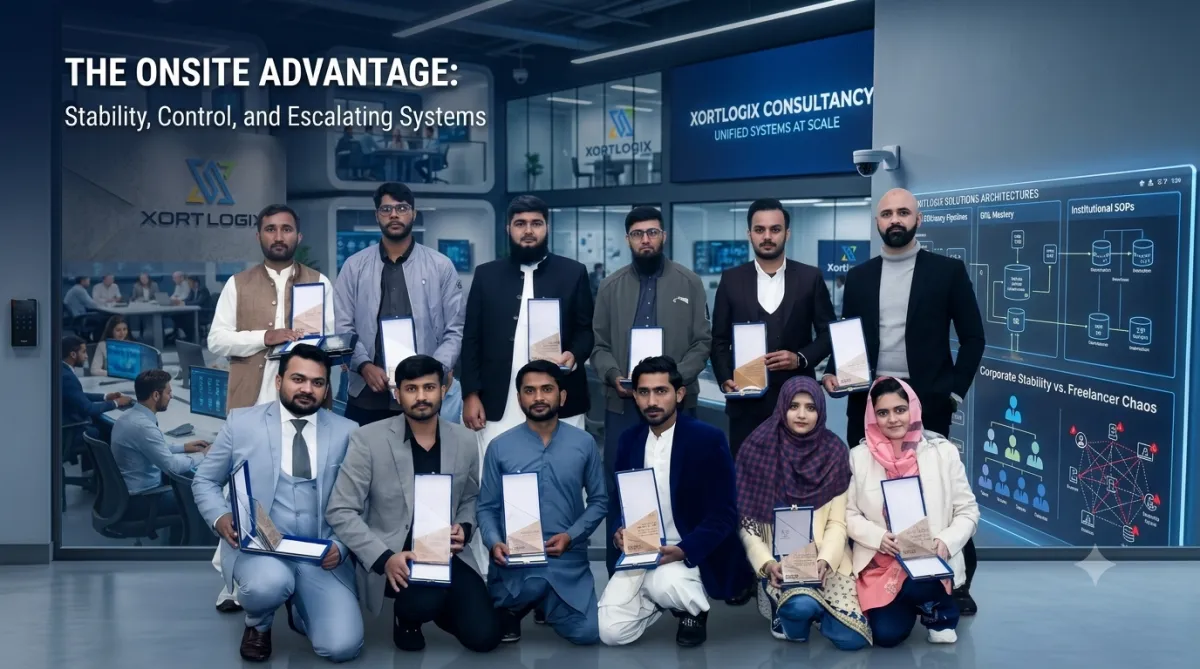
Why Onsite Corporate Infrastructure Crushes Freelancer Chaos
Business Strategy, Onsite Infrastructure, Operational Efficiency
Why Onsite Corporate Infrastructure Crushes Remote Freelancer Chaos
For growing businesses and agencies, the choice between investing in robust onsite infrastructure and relying on a patchwork of remote freelancers is more than a budget decision; it is a question of stability, control, and long‑term scalability. When the pressure is on, well‑designed corporate systems consistently outperform the unpredictable nature of Remote Freelancer Chaos, delivering the Corporate Stability and Operational Efficiency modern organizations require.
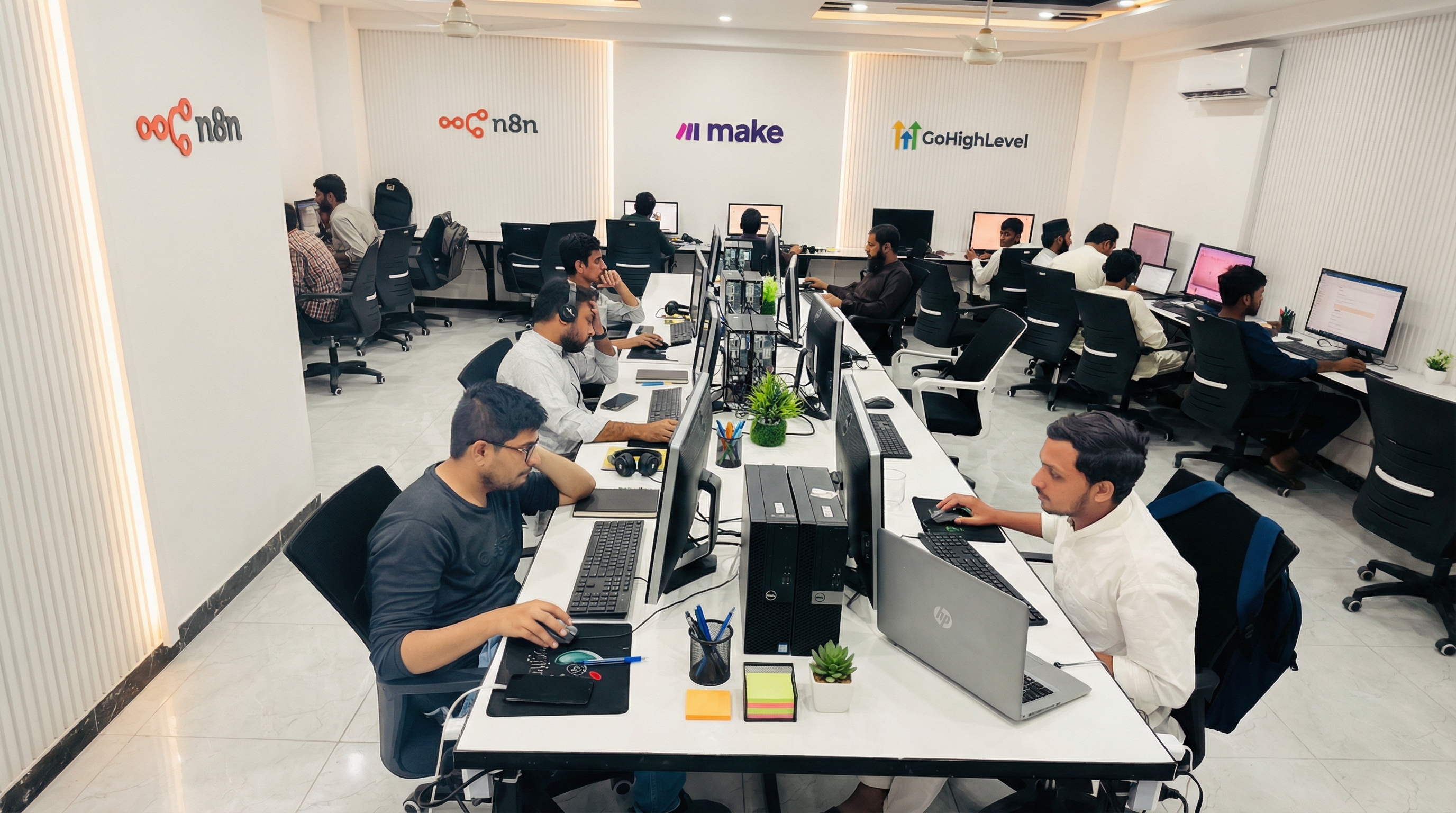
On-site Infrastructure as the Foundation of Control
On-site infrastructure is far more than hardware in a server room or a neatly wired network rack. It represents a deliberate architecture of people, processes, and technology that is designed to work together under a single governance model. For agencies managing multiple client accounts or businesses coordinating complex operations, this integrated foundation ensures that data security, access rights, workflows, and compliance are centrally managed rather than improvised on a project‑by‑project basis.
Within a well‑structured onsite environment, decision‑makers benefit from consistent tooling, standardized documentation, and aligned communication channels. Project leads know exactly where assets live, who owns which deliverables, and how changes are tracked. This level of clarity is extremely difficult to achieve when work is scattered across personal laptops, consumer cloud accounts, and ad‑hoc communication tools favored by individual freelancers.
The Hidden Costs of Remote Freelancer Chaos
Remote talent can provide valuable flexibility, but unmanaged reliance on freelancers often results in what many leaders quietly describe as Remote Freelancer Chaos. Deadlines slip because time zones are misaligned, communication standards vary, and each contributor uses their own preferred tools. Files are duplicated, version control breaks down, and institutional knowledge walks away the moment a contract ends.
These issues rarely appear in a cost spreadsheet, yet they erode profitability and client confidence. Every unexpected handoff, every misinterpreted brief, and every missing asset requires internal teams to step in and repair the damage. Over time, leaders realize that the apparent savings of low‑commitment freelance arrangements are offset by the operational drag created by fragmented systems and inconsistent accountability.
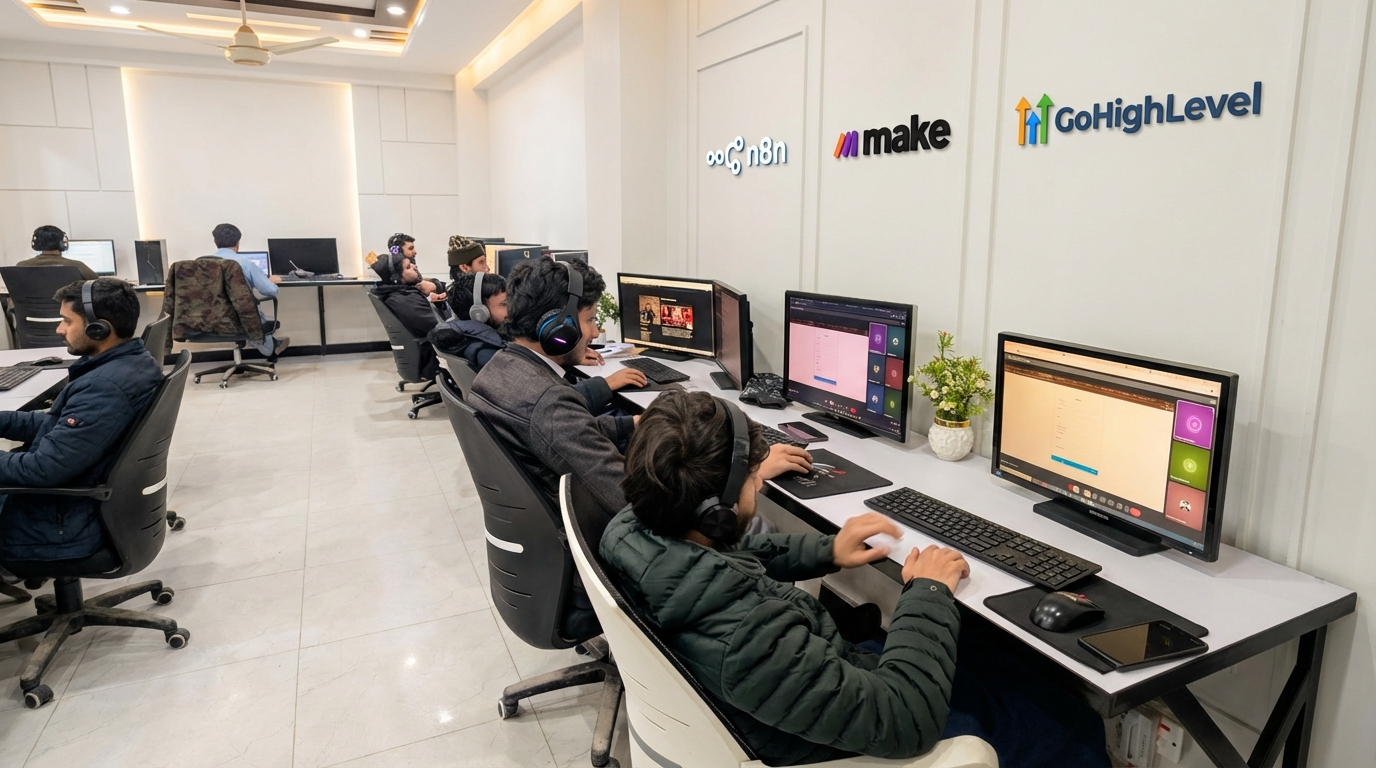
Centralized onsite systems consistently outperform fragmented freelance setups under real project pressure.
Corporate Stability: Reliability Clients Can Feel
Corporate Stability is not just an internal benefit; it is a market differentiator. Clients notice when your organization responds quickly, provides accurate status updates, and delivers consistent quality across engagements. These outcomes are enabled by predictable systems: standardized project methodologies, centralized communication records, and clearly defined escalation paths when issues arise. On-site infrastructure supports this reliability by ensuring that critical knowledge and tools remain within the organization rather than being dispersed across a rotating cast of external contributors.
In contrast, operations built on Remote Freelancer Chaos struggle to maintain the same level of assurance. When key freelancers become unavailable or shift priorities, projects can stall without warning. Replacing them means re‑onboarding, re‑explaining, and re‑establishing standards—time that directly impacts margins and client satisfaction. Corporate Stability removes this volatility by anchoring core capabilities in resilient, well‑documented internal systems.
Operational Efficiency Through Integrated, Scalable Systems
Operational Efficiency emerges when technology, process, and people are aligned. Scalable Systems make it possible to add new clients, expand service lines, or enter new markets without reinventing the operational wheel each time. On-site infrastructure, when thoughtfully designed, gives businesses and agencies a standardized backbone: shared repositories, automated workflows, secure access controls, and unified reporting dashboards that grow with the organization.
This stands in sharp contrast to a freelancer‑centric model, where each new engagement can introduce a different set of tools, communication habits, and expectations. Rather than building cumulative efficiency, teams are forced to adapt repeatedly to new working styles. The result is friction, duplicated effort, and limited visibility into true capacity. Scalable Systems eliminate this guesswork by providing consistent, measurable workflows that can be optimized over time.
How Xort Logix Supports the Transition
Moving from Remote Freelancer Chaos to a robust onsite model does not happen by accident; it requires a structured approach and experienced guidance. Xort Logix, through its suite of Xort Logix Solutions, focuses on helping organizations design and implement Onsite Infrastructure that is secure, resilient, and ready to scale. Rather than forcing a one‑size‑fits‑all platform, the emphasis is on aligning technology with your existing workflows and growth objectives.
Xort Logix Solutions prioritizes clarity and control. That can mean consolidating scattered data sources into a single, governed environment; standardizing communication and approval paths across departments; or implementing monitoring and reporting tools that give leadership real‑time insight into operational performance. The outcome is a transition where teams feel supported, not disrupted, and where the business gains the Corporate Stability and Operational Efficiency it needs to compete confidently.
Choosing Infrastructure Over Instability
For businesses and agencies under pressure to deliver more with less, the temptation to lean heavily on remote freelancers is understandable. However, the long‑term health of the organization depends on more than short‑term flexibility. By investing in Onsite Infrastructure and building Scalable Systems, leaders create an environment where teams can focus on high‑value work instead of firefighting, where knowledge is retained, and where performance is predictable rather than precarious.
When viewed through this lens, onsite corporate infrastructure does not merely compete with remote freelance arrangements—it systematically outperforms them. It transforms operations from reactive to proactive, replaces uncertainty with Corporate Stability, and converts scattered effort into measurable Operational Efficiency. For organizations ready to move beyond Remote Freelancer Chaos, partnering with specialists such as Xort Logix LLC to architect the right Xort Logix Solutions is a strategic step toward a more controlled, scalable, and resilient future.