
Custom Library Database Case Study by Xort Logix
Case Study, Custom Database Development
Case Study: How Xort Logix Turned a Scholarship System into a High-Performing Custom Library Database
How a proven scholarship database became the blueprint for a fast, consistent custom library database tailored to a growing organization.
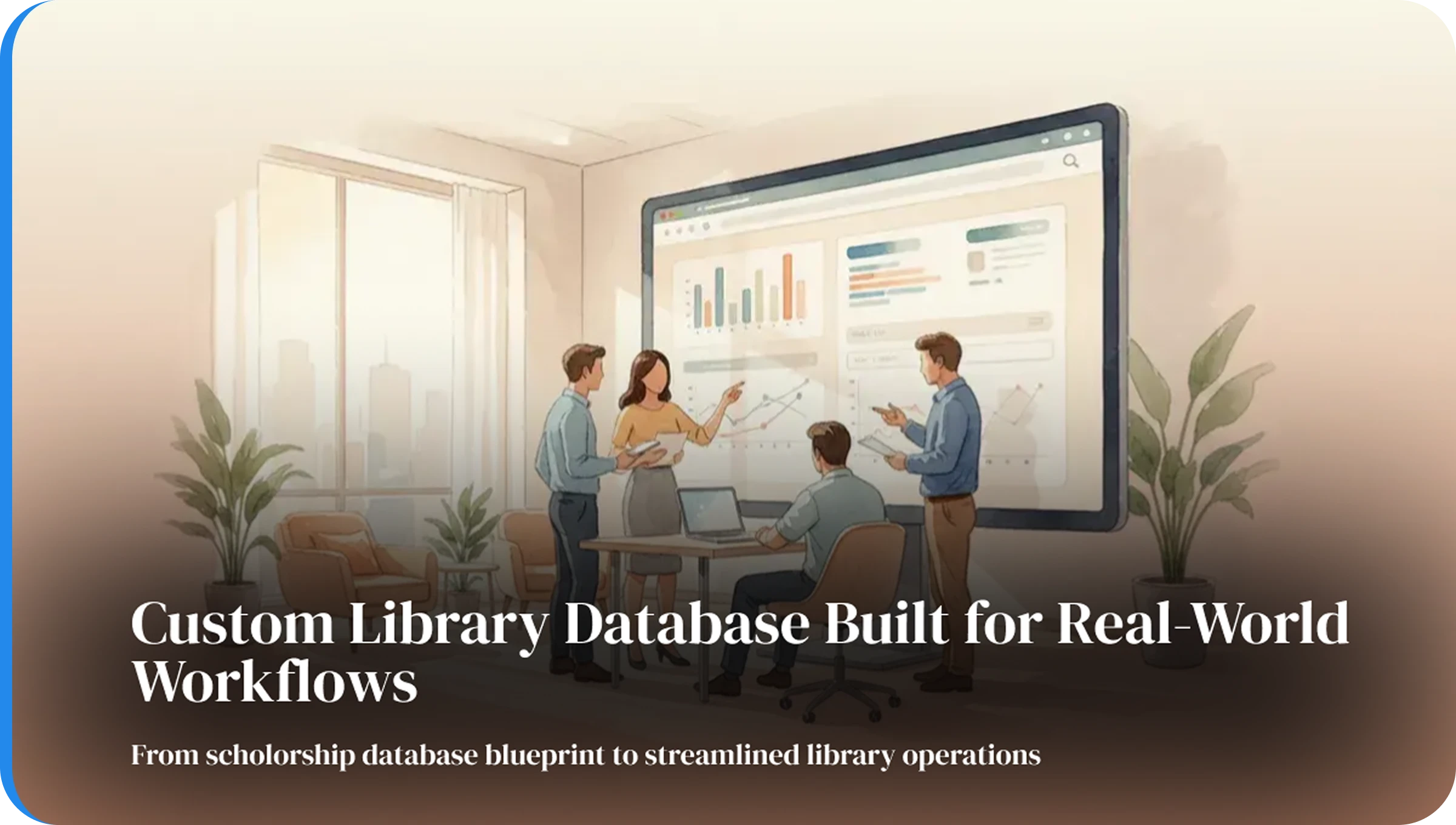
When “Good Enough” Systems Start Holding You Back
Many growing organizations reach a breaking point where spreadsheets, generic tools, or legacy systems can no longer keep up with daily operations. Data lives in too many places, staff waste time hunting for information, and reporting becomes a manual, error-prone chore. That’s exactly where this client found themselves—until they saw how Xort Logix had transformed another organization’s processes with a custom scholarship database.
📌 Key Takeaway: The right database doesn’t just store records—it mirrors how your team actually works.
The Problem: Fragmented Workflows and Inefficient Library Operations
The client’s library team was juggling multiple disconnected tools to manage cataloging, circulation, and reporting. Staff had to:
Manually re-enter data across different systems and spreadsheets
Rely on inconsistent search and filter logic, making it hard to find the right records quickly
Spend extra time training new team members on clunky, non-intuitive tools
Struggle to pull reliable reports for leadership and stakeholders
The organization didn’t just need “a database”—they needed a single, consistent system that aligned with real-world library workflows and reduced the cognitive load on staff.
From Scholarship Database to Custom Library Database
In this Xort Logix case study, a client approached our team after seeing the results of our scholarship database development. Instead of starting from scratch, Xort Logix used that existing system as a blueprint for a new custom library database that mirrored familiar workflows while solving new operational challenges.
As a specialized database development agency, Xort Logix mapped fields, search logic, and permissions from the scholarship platform, then refined them for library-specific needs—cataloging, circulation, and reporting. This approach kept what already worked and upgraded only what the client truly needed.
How Xort Logix Tackled It: Blueprint-First, Workflow-Driven Development
Rather than reinventing the wheel, Xort Logix applied a blueprint-first strategy:
Reused proven architecture: The core database structure, search logic, and permissions from the scholarship system formed a stable, battle-tested foundation. This included handling complex eligibility-style logic that translated into library rules—for example, adapting scholarship eligibility filters into circulation rules like maximum checkouts, patron types, and item-level restrictions.
Customized for library operations: Fields, forms, and workflows were adapted for cataloging, circulation, holds, and reporting—so every screen reflected real tasks the team performs daily. During development, the team had to reconcile inconsistent legacy call number formats and duplicate patron records, building validation rules and merge workflows to clean data without interrupting day-to-day operations.
Aligned permissions and roles: Access levels were tuned to match how different staff members interact with the system, improving security and clarity. A key challenge was separating duties between front-desk staff, catalogers, and administrators so that sensitive patron information was protected while still keeping circulation tasks fast and frictionless at busy service points.
Iterated with the client: Feedback loops with the library team ensured that each adjustment made the system simpler and faster—not more complicated. For instance, early testing revealed that staff needed fewer but smarter search filters, so Xort Logix consolidated overlapping options and introduced preset searches for common tasks like “overdue items by location” and “high-demand titles on hold.”
💡 Pro Tip: Starting from a proven system dramatically reduces risk, cost, and time-to-value for custom database projects.
Speed, Consistency, and Less Training
Reusing proven patterns meant faster delivery and fewer surprises. Staff recognized layouts and terminology from the scholarship system, so onboarding time dropped dramatically. Consistent data structures improved reporting accuracy, while intuitive screens reduced clicks for everyday tasks—evidence of thoughtful custom database development.
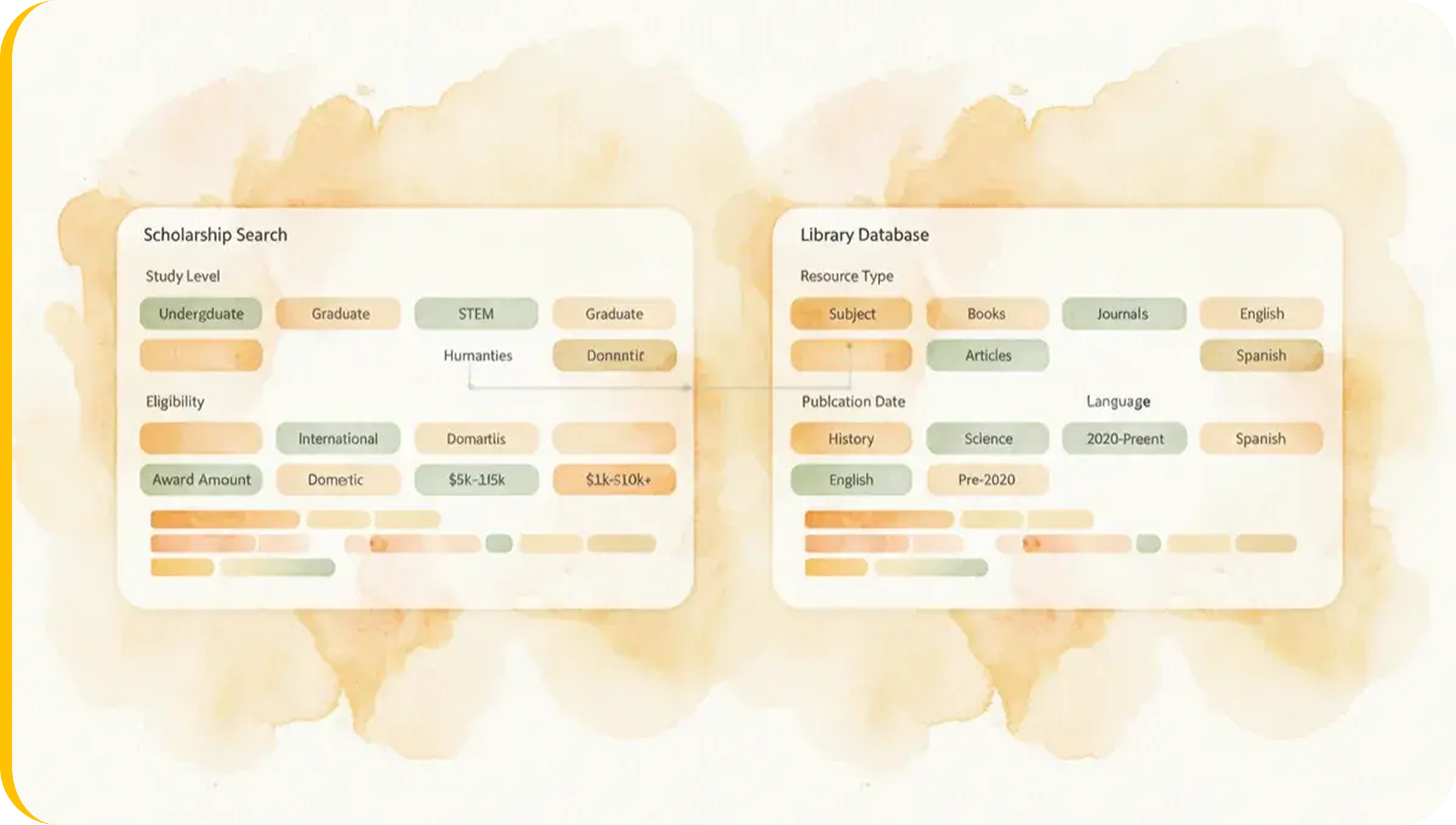
Familiar layouts cut training time and boosted adoption across library staff.
The Outcome: A Library Database That Feels Instantly Familiar
By leveraging the scholarship database as a blueprint, the client achieved:
Faster rollout: The project moved from concept to live system in a shorter timeframe than a fully net-new build.
Higher data quality: Consistent structures and fields reduced duplicate records and reporting errors.
Lower training overhead: Staff could transfer their knowledge from the scholarship system, making adoption smooth and low-friction.
Client representative Kristen Ferullo praised how quickly her team adapted, highlighting the system’s clarity, reliability, and the smooth partnership with Xort Logix throughout the project.
Client Validation: Clear Communication and a Trusted Partner
"I have used XortLogix on several projects now. They are responsive & timely and I will continue to use them into the future. Great work!"
— Kristen ferullo
⭐ View Verified Review on Google Business Profile
Turn Your Existing Processes into a High-Performing Database
If your team is wrestling with scattered tools, manual workarounds, or systems that no longer fit, Xort Logix can help you translate what already works into a streamlined, custom database—whether for a library, scholarship program, or another operational area.
Schedule your strategy session today to see how a blueprint-driven approach can reduce risk, speed up delivery, and give your team a system that feels intuitive from day one.